
Photographic Safaris
Spend time with Kenya’s wildlife in places where the focus is not simply on seeing as many animals as possible, but on having the time to watch and photograph them properly.
From leopards and wild dogs to striped hyenas, Grevy’s zebras and reticulated giraffes, the focus is on finding interesting wildlife and giving you time to enjoy the experience behind the camera.
Wildlife worth
spending time with
Northern Kenya is home to wildlife that can be difficult to find elsewhere.
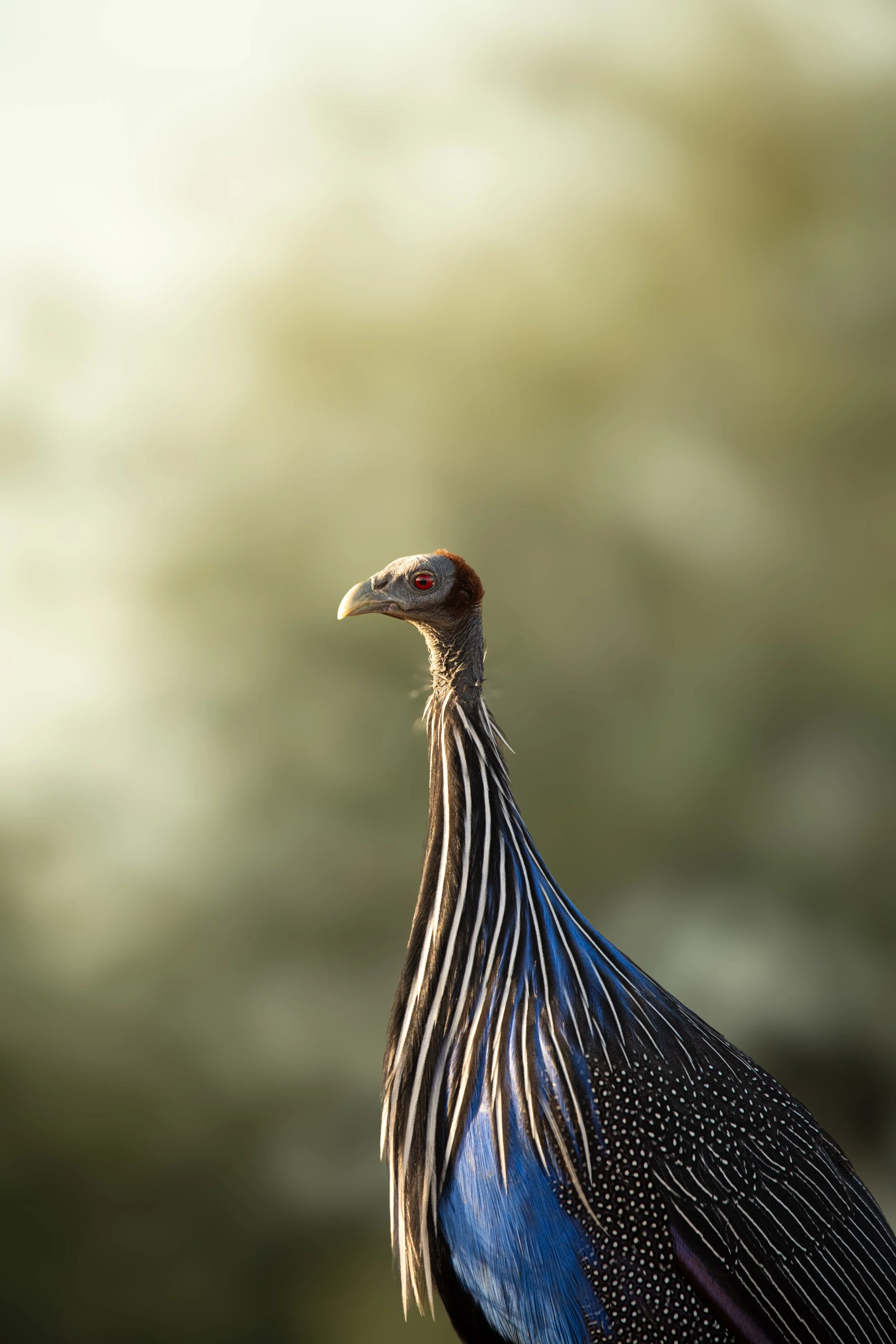
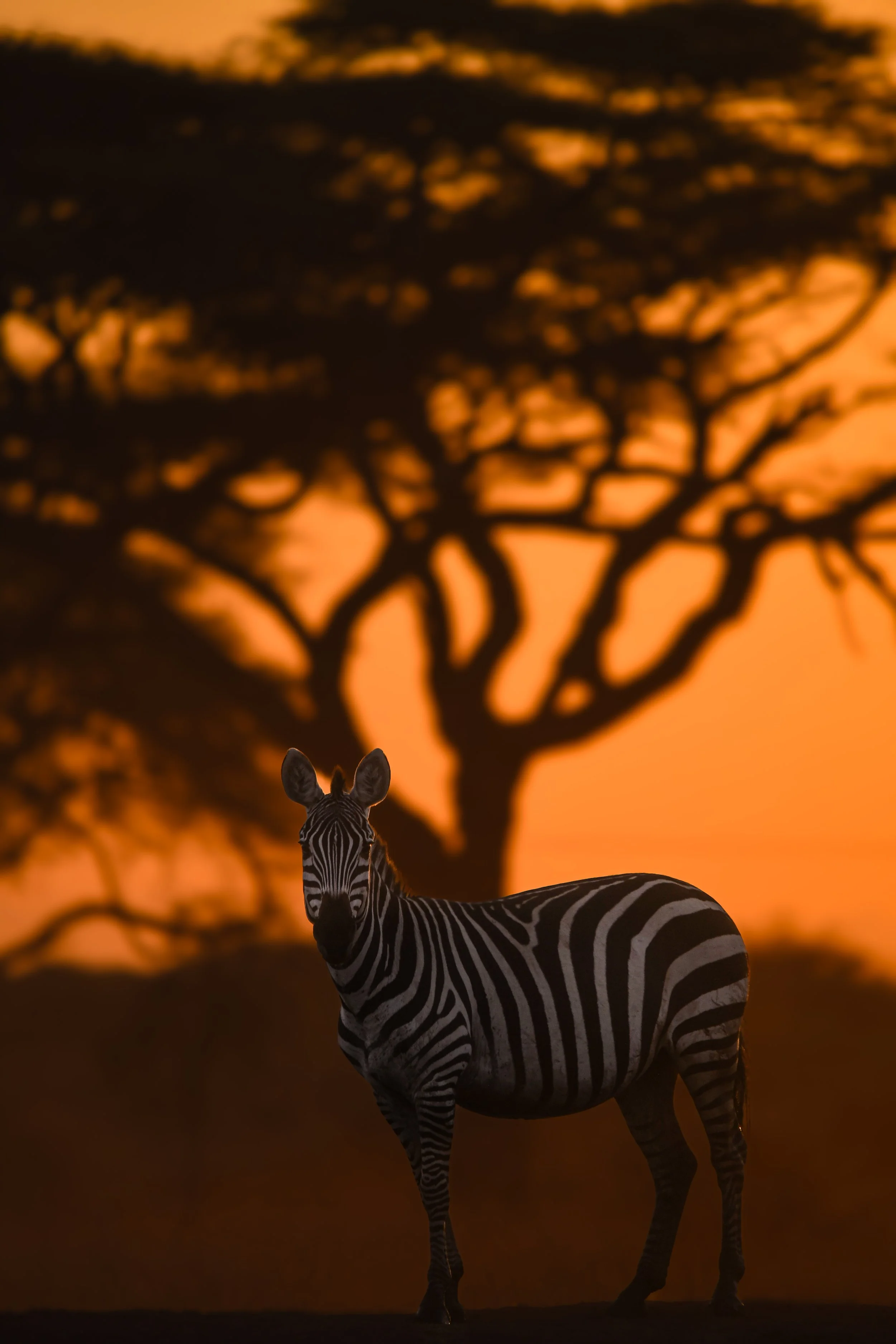
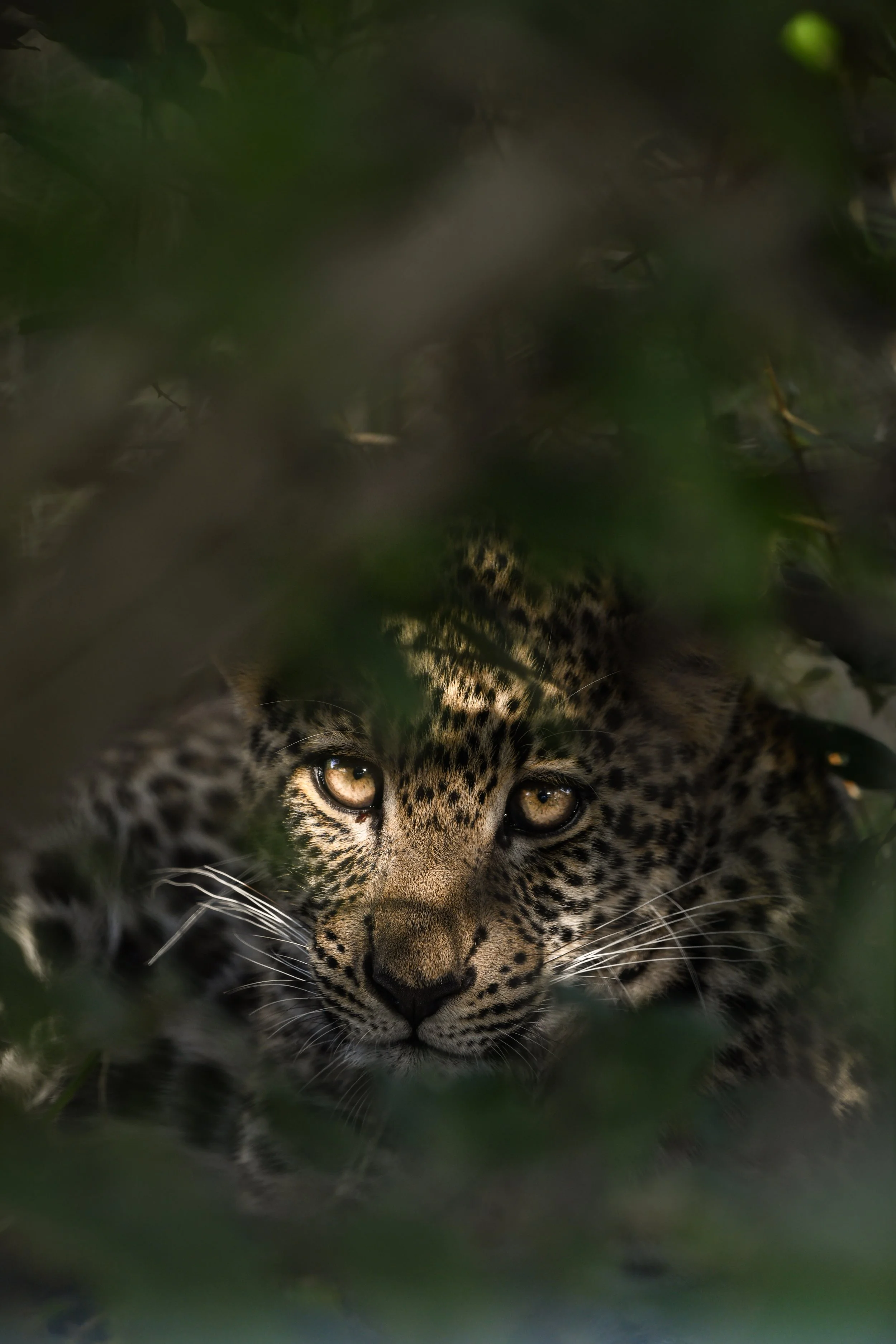
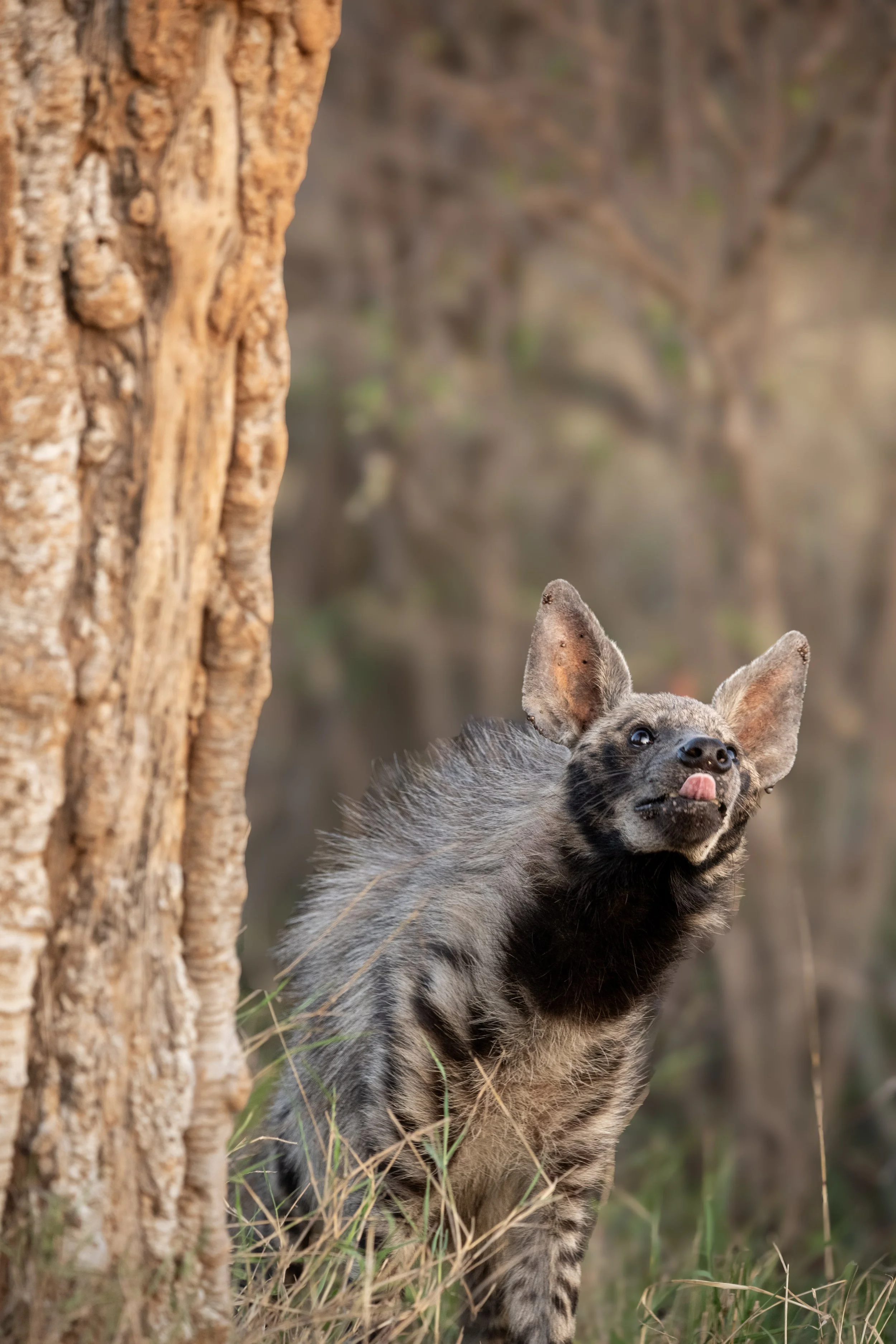
Leopards are one of our main photographic subjects, but they are far from the only ones. Depending on the season and what is happening in the area, you may also encounter wild dogs, striped hyenas, Grevy’s zebras and reticulated giraffes, along with a wide variety of other wildlife and birdlife.
Rather than rushing from one sighting to the next, we can spend time watching what the animals are doing and waiting for the right moments to develop.
Sometimes the best photograph comes from simply staying in one place a little longer.
Take your time
Photography in the bush is often about patience.
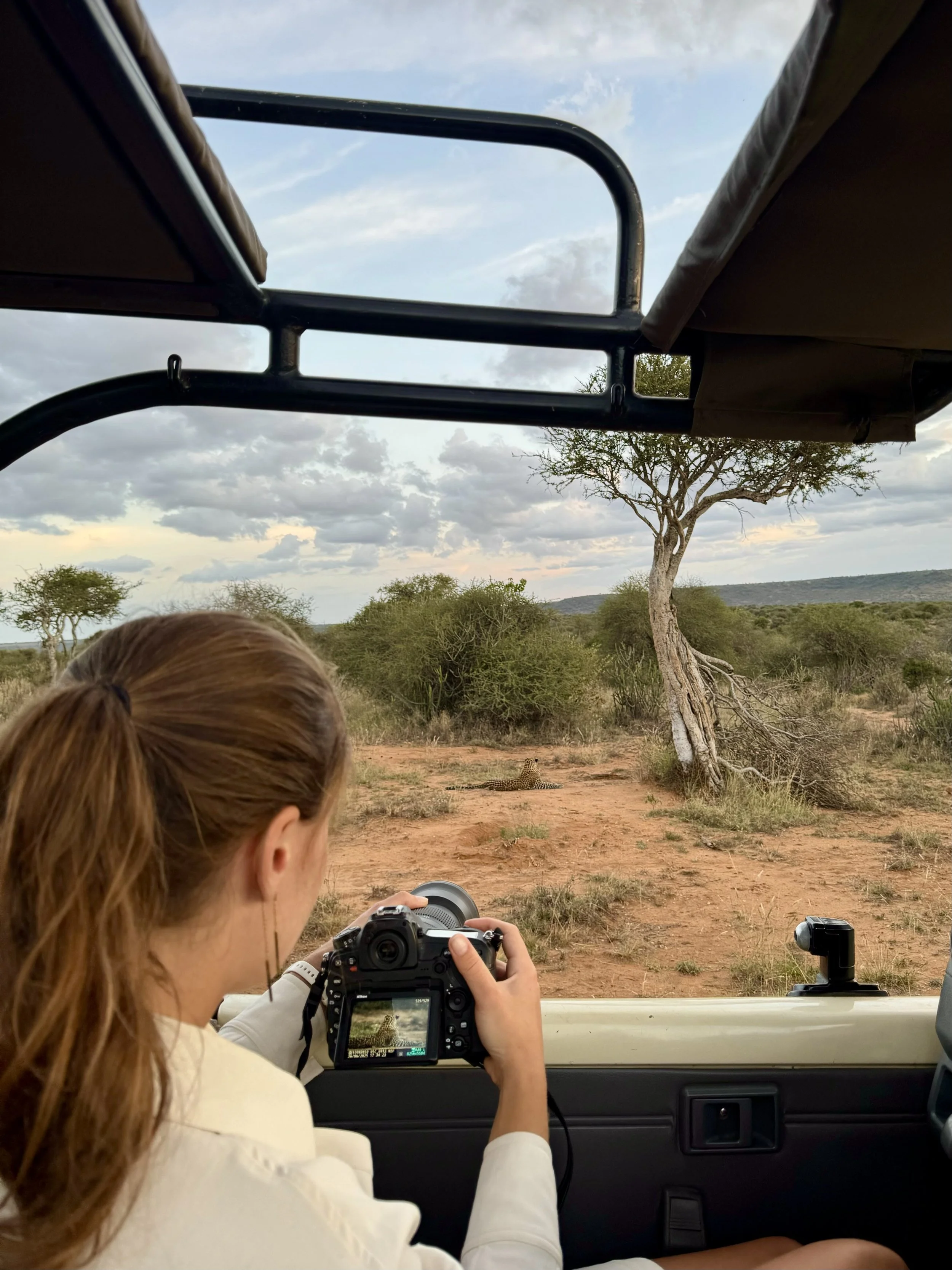
We don’t need to move on just because we have already seen an animal. If a leopard is resting, we can stay and watch. If wild dogs are becoming active, we can give them time to see what happens. And if the light changes, we can wait for it.
The day can be built around the wildlife and the conditions rather than a fixed schedule. Early starts, longer sessions, sundowners and night drives can all be part of the experience, depending on what you want to photograph.
There is always another opportunity when you give the bush time.
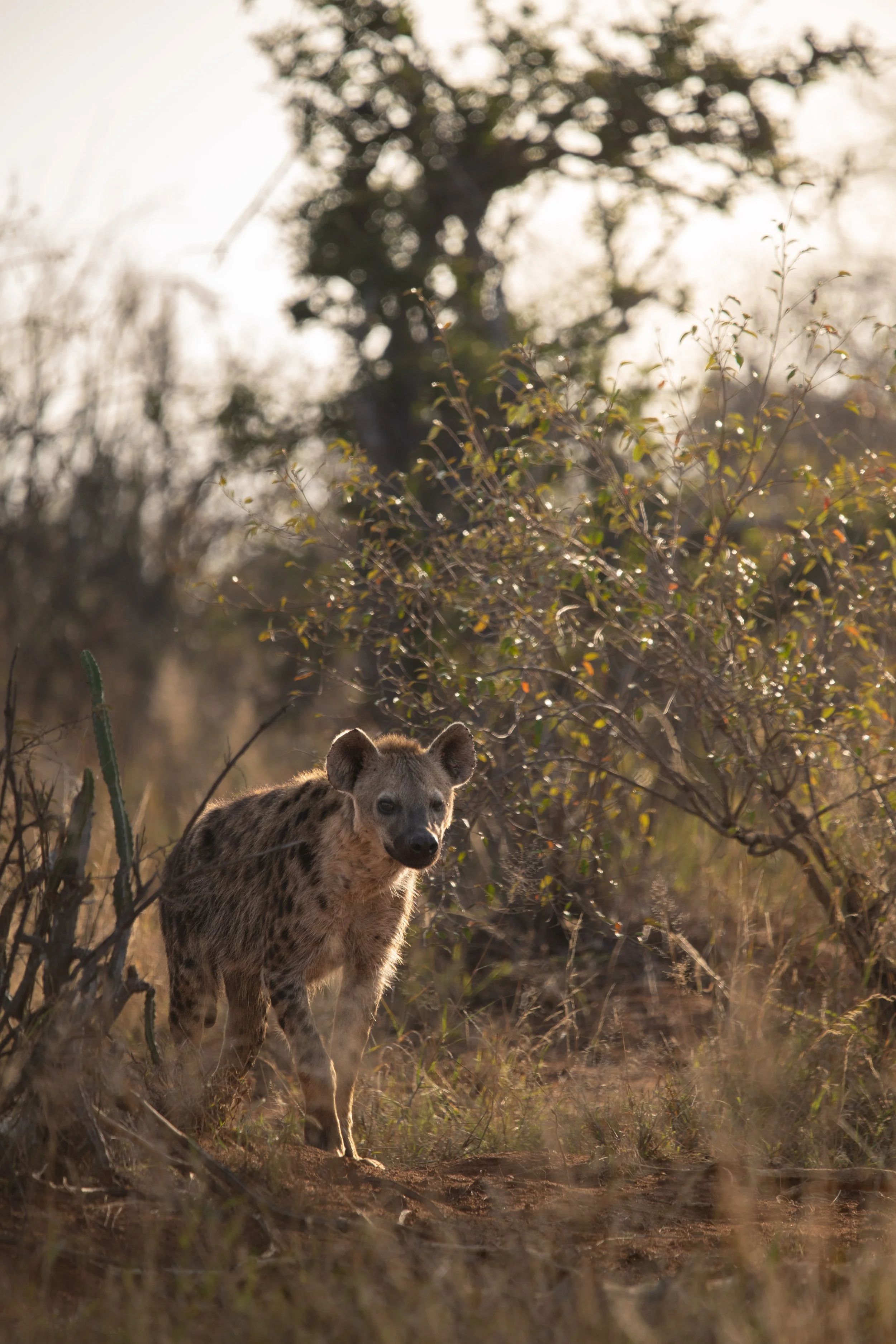
A typical photographic day starts around 6am, heading out while the light is still soft and wildlife is becoming active. We will usually spend the morning out until around 11am, when we stop for brunch.
Brunch can be back at camp or out on one of the platforms overlooking a watering hole. If there are animals around, we can stay and watch them while we eat before deciding when to head back.
Afternoon drives usually start around 4pm, giving us time to head out and see what is happening as the day cools down. Around 6pm we will find a good spot for sundowners and watch the light change across the landscape before returning for dinner around 8pm.
The timings can be adjusted when there is something worth staying out for — the wildlife always has the final say.
Built around the light and the wildlife
More than just wildlife
A photographic safari gives you the chance to work on many different types of photography.
You might spend time photographing wildlife portraits, animals in action, behaviour between individuals, birds in flight or smaller details such as insects, tracks and plants. The landscape also becomes part of the experience, especially during the early morning and evening light.
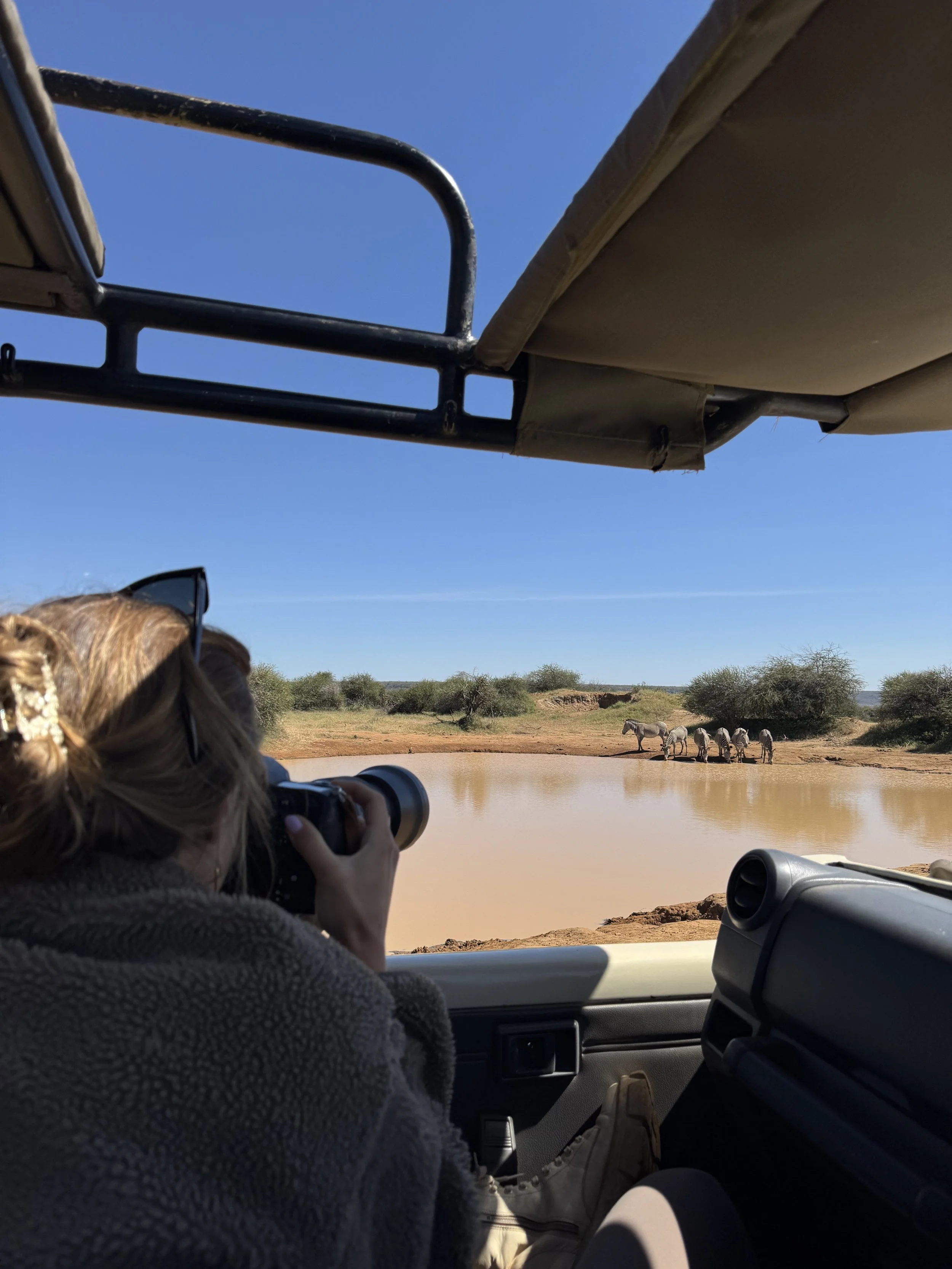
Our watering-hole platforms offer another opportunity to sit quietly with a camera ready, while drives allow us to move between different habitats and look for changing subjects and conditions.
Whether you enjoy wildlife photography, landscapes, birds or simply capturing the unexpected moments, there is always something to look for.
Our vehicles give you the flexibility to move between different areas and follow wildlife as the day develops.
There is time to position the vehicle for the light, wait for behaviour to unfold and move when the opportunity changes. We can spend time with a single animal or follow something as it moves through the landscape.
The aim is not to collect as many sightings as possible, but to give you the time and space to make the most of the photographic opportunities in front of you.
Photography from the vehicle
When the sun goes down, the bush changes completely.
Night drives give you the chance to look for species and behaviour that are rarely seen during the day. We use red lights while moving through the bush, allowing us to search for nocturnal animals while keeping the experience as natural and unobtrusive as possible.
We can take our time, stop when something catches our attention and spend time watching what is happening rather than simply driving around looking for the next sighting.
For photographers, the darkness brings a completely different set of opportunities — from nocturnal animals and predators to the atmosphere of the bush after dark. With clear skies and very little light pollution, there are also opportunities for astrophotography, whether you want to capture the Milky Way above the landscape or simply spend some time looking up.
After dark
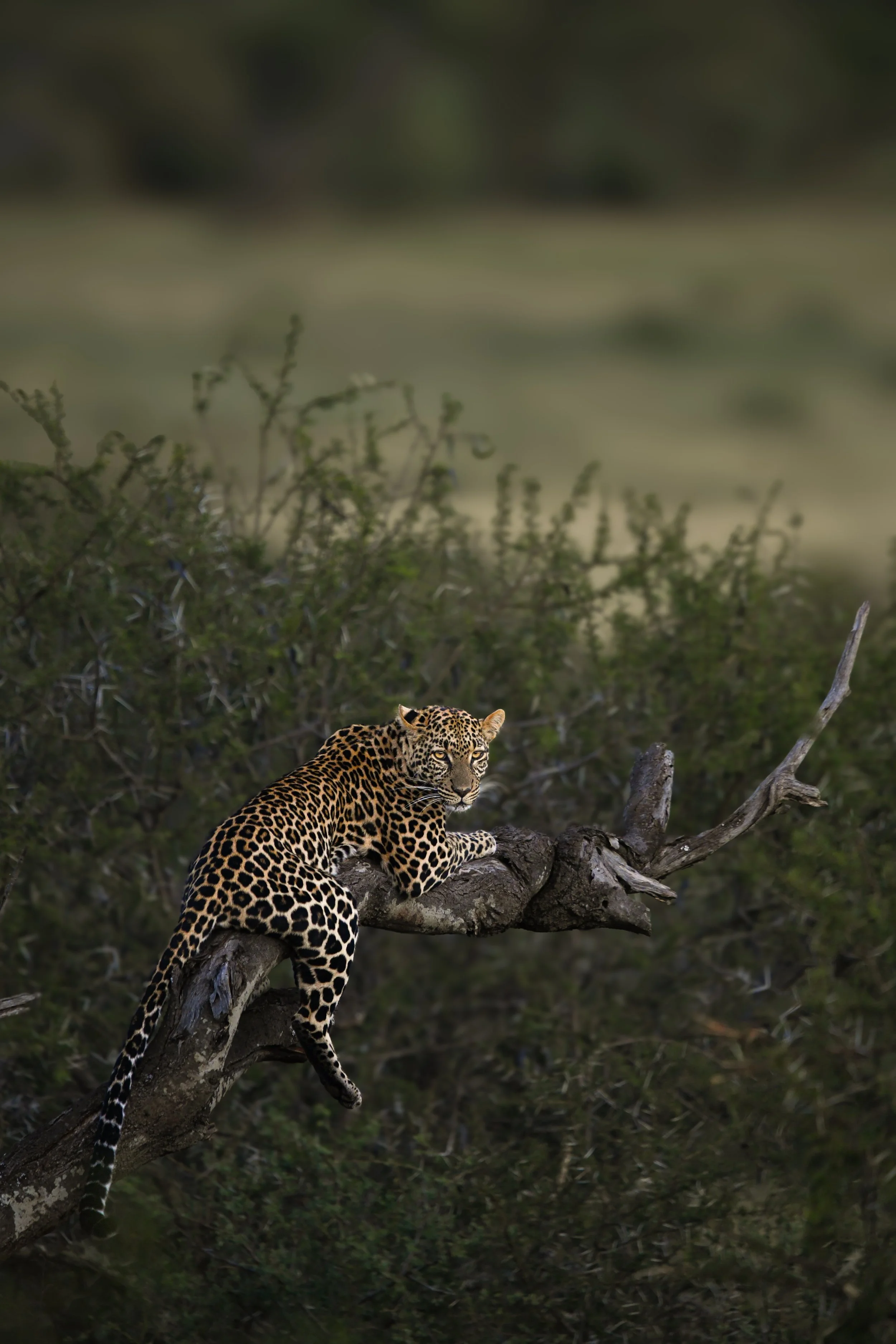
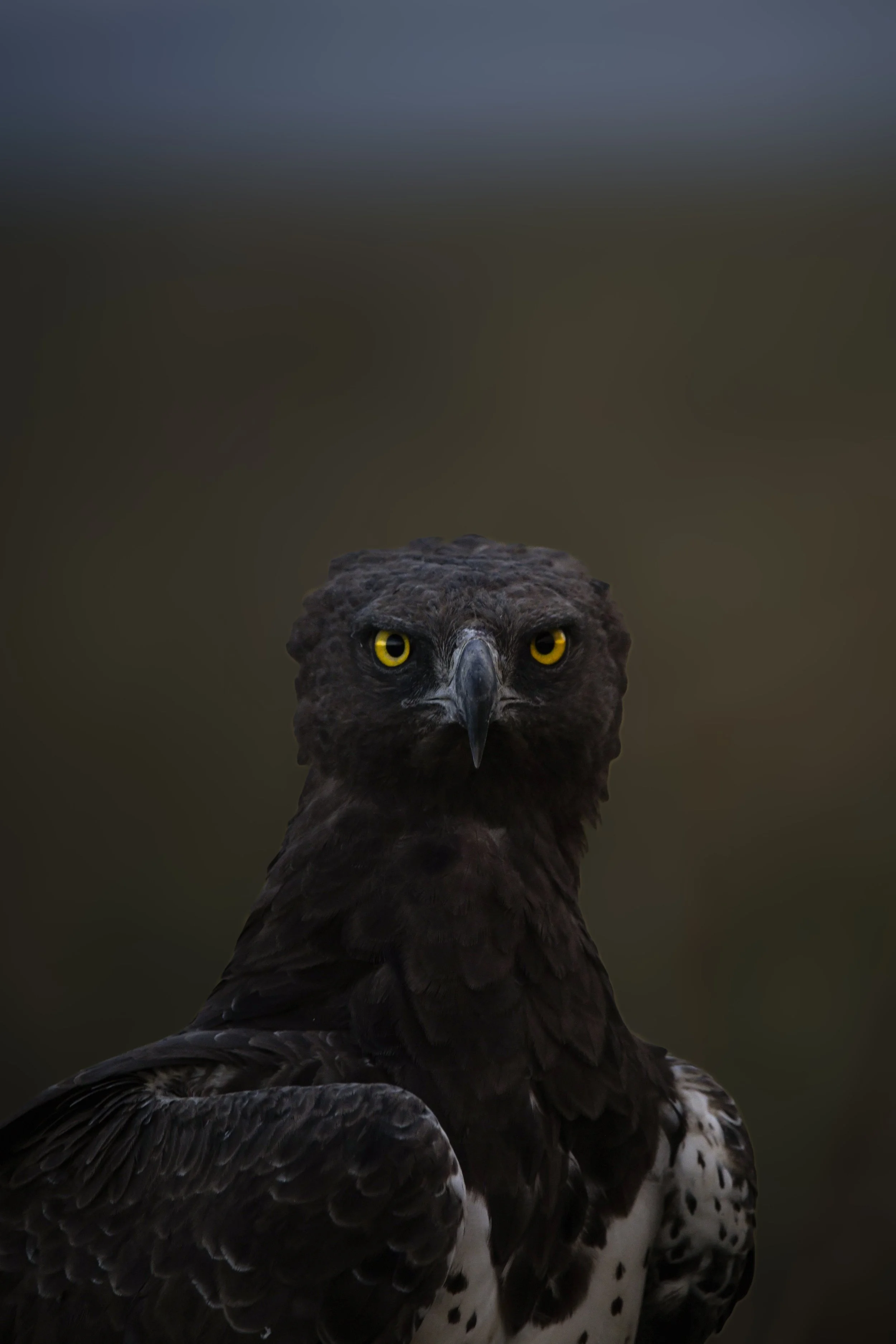
Your photography, your way
Whether you are traveling with a professional camera setup or simply want to come home with better photographs, the safari can be built around what you enjoy shooting.
We can talk beforehand about the animals, photography styles and subjects you’re interested in, then shape the days around those priorities.
If you want to spend longer with one subject, we stay. If you want to move on and look for something different, we move on. The idea is to give you the time and flexibility to photograph in the way you enjoy.